
A sudden twist of the knee during a game, workout, or weekend hike can change your routine in an instant. An ACL injury often brings pain, instability, and uncertainty about returning to the activities you enjoy. While every injury is unique, understanding how ACL specialists evaluate and treat these injuries can help you make informed decisions. Here is what athletes and active adults should know when choosing an ACL surgeon in Los Angeles.
Understanding an ACL Injury and Why Expert Care Matters
The anterior cruciate ligament, or ACL, is one of the key stabilizing ligaments in the knee. It helps control forward movement and rotational stability, making it especially important for sports that involve cutting, pivoting, jumping, and quick changes in direction.
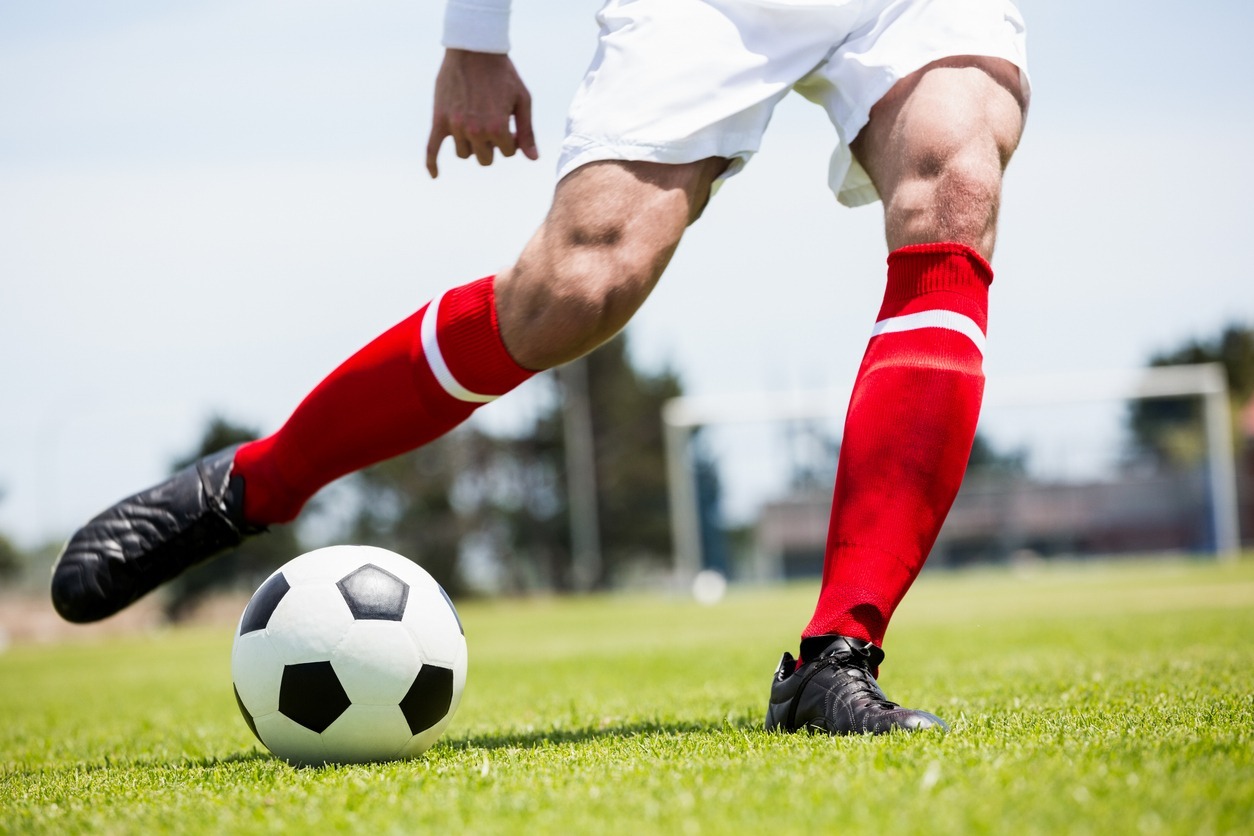
ACL tears commonly occur during activities such as soccer, basketball, football, skiing, tennis, and even recreational fitness. Many people experience a popping sensation, followed by swelling, pain, and a feeling that the knee may give way.
Because ACL injuries can occur alongside meniscus tears, cartilage damage, or other ligament injuries, a thorough evaluation by an orthopedic specialist is essential to determine the full extent of the injury. For athletes and active adults, early assessment by a sports medicine physician in Los Angeles can help guide the most appropriate treatment plan.
What Makes an ACL Surgeon the Best Choice?
There is no single definition of the "best" ACL surgeon. Instead, patients should look for a combination of experience, specialized training, and a patient-centered approach.
One of the most important, and often overlooked, factors is longevity in practice. ACL surgery techniques have evolved considerably over the past two decades, from graft selection to fixation methods to rehabilitation protocols. A surgeon who has performed these procedures for many years brings a depth of pattern recognition and technical refinement that simply cannot be replicated by less experience. Just as important is whether that surgeon has stayed current, or better yet, has helped shape, the newer techniques as the field evolves. Surgeons who are actively involved in training other physicians and advancing surgical innovation tend to be the first to adopt (and often help develop) the techniques that improve outcomes, because they are immersed in the research and education side of the specialty, not just the operating room.
An experienced orthopedic sports medicine specialist typically focuses on:
- Accurate diagnosis through physical examination and advanced imaging
- Individualized treatment recommendations
- Expertise in both non-surgical and surgical management
- Arthroscopic techniques that minimize disruption to surrounding tissues
- Comprehensive rehabilitation planning
- Safe return-to-sport guidance
- A long track record of performing the procedure, paired with ongoing involvement in teaching and innovation
The Orthopaedic & Sports Medicine Center specializes in sports medicine and the treatment of knee injuries, including ACL tears. Along with caring for ACL injuries, the practice evaluates conditions affecting the shoulder, hip, elbow, foot and ankle, hand, and wrist, providing comprehensive orthopedic care that considers each patient's overall musculoskeletal health rather than focusing on a single injury.
When Is ACL Reconstruction Recommended?
Not every ACL tear requires surgery. Treatment depends on several factors, including the severity of the injury, activity level, age, occupation, and personal goals.
ACL reconstruction may be recommended for:
- Competitive athletes
- Active adults participating in pivoting sports
- Patients with persistent knee instability
- Combined ligament or meniscus injuries
- Individuals who wish to return to high-demand physical activities
For some patients with lower activity demands or partial tears, conservative treatment involving physical therapy, bracing, and strength training may provide satisfactory function without surgery.
During a consultation, each patient's injury, lifestyle, and goals are carefully evaluated to determine whether surgical or non-surgical treatment is the most appropriate approach.
What Happens During ACL Reconstruction and What Other Options Exist?
Modern ACL reconstruction is most commonly performed using minimally invasive arthroscopic techniques. Rather than repairing the torn ligament itself, the damaged ACL is typically replaced with a tendon graft.
Graft choice is an important part of personalizing treatment, and not every surgeon offers the full range of options. Dr. Limpisvasti is comfortable working with all major graft types used in ACL reconstruction, including patellar tendon, hamstring tendon, quadriceps tendon, and allograft (donor tissue), and helps each patient weigh the tradeoffs based on their activity level, age, and goals.
In select cases, ACL reconstruction is not the only option. Some patients may be candidates for direct repair of the torn ACL rather than a full reconstruction, preserving the patient's own native ligament when the location and pattern of the tear allow for it. Another emerging option is the Bridge-Enhanced ACL Restoration (BEAR) technique, which uses a bioengineered scaffold to help stimulate the torn ends of the ACL to heal, in appropriately selected patients.
Because Dr. Limpisvasti performs reconstruction with all graft types, direct repair, and BEAR-ACL, patients are not steered toward a single "one size fits all" solution. Instead, the surgical plan is built around which option genuinely fits their injury and goals.
During the procedure, the surgeon carefully positions the graft to restore knee stability while preserving surrounding structures whenever possible.
Why Rehabilitation Is Just as Important as Surgery
Successful ACL treatment extends well beyond the operating room.
Physical therapy plays a vital role in rebuilding strength, flexibility, balance, and coordination. Rehabilitation progresses through carefully monitored stages, allowing healing tissues to recover while gradually restoring athletic performance.
Returning to sports too early can increase the risk of reinjury. Instead, orthopedic specialists typically evaluate strength, movement quality, knee stability, and functional performance before clearing patients for unrestricted activity.
Whether surgery is performed, a structured rehabilitation program remains one of the most important factors in achieving a successful outcome.
Choosing an Orthopedic Team in Los Angeles
When searching for an ACL surgeon in Los Angeles, it is helpful to choose a practice that provides comprehensive orthopedic care rather than focusing solely on surgery, and to look closely at how long a surgeon has been performing the specific procedure being considered, as well as their ongoing involvement in training and advancing the field.
A multidisciplinary orthopedic team can often coordinate:
- Sports medicine evaluation
- Advanced diagnostic imaging
- Arthroscopic knee surgery
- Meniscus treatment
- Cartilage injury management
- Fracture care when needed
- Physical therapy and rehabilitation
- Long-term injury prevention strategies
At Orthopaedic & Sports Medicine Center, Dr. Orr Limpisvasti provides comprehensive care from diagnosis through recovery, helping patients receive the treatment and support needed throughout every stage of healing.
Frequently Asked Questions
How do I know if I tore my ACL?
Many people hear or feel a pop, followed by rapid swelling, pain, and knee instability. A physical examination and imaging studies such as an MRI help confirm the diagnosis.
Can an ACL tear heal without surgery?
A complete ACL tear usually does not heal on its own. However, some individuals with partial tears or lower activity levels may successfully manage symptoms with rehabilitation and non-surgical treatment.
What are my surgical options if I need ACL treatment?
Depending on the injury pattern, options may include ACL reconstruction using a variety of graft types, direct repair of the native ACL, or BEAR-ACL. Having a surgeon experienced across all of these approaches allows the treatment plan to be tailored to the injury rather than fitting the injury to a single technique.
How long does it take to recover after ACL reconstruction?
Recovery varies by individual, but many patients require several months of structured rehabilitation before returning to higher-level sports. Full recovery often depends on meeting strength and functional milestones rather than following a fixed timeline.
Can I return to sports after ACL surgery?
Many athletes successfully return to their previous activities following ACL reconstruction and rehabilitation. A gradual return guided by an orthopedic specialist and physical therapist helps reduce the risk of reinjury.
Should I see a sports medicine specialist for an ACL injury?
Yes. Sports medicine orthopedic specialists, such as Dr. Orr Limpisvasti, have expertise in diagnosing ligament injuries, recommending appropriate treatment, performing ACL reconstruction when necessary, and guiding patients through a safe return to activity.
Take the Next Step Toward a Stronger Recovery
An ACL injury does not have to define your future activity level. With timely evaluation, individualized treatment, and dedicated rehabilitation, many athletes and active adults regain knee stability and return to the activities they enjoy. If you are experiencing knee pain or instability after an injury, Dr. Orr Limpisvasti and the team at Orthopaedic & Sports Medicine Center in Los Angeles can help you understand your treatment options and create a personalized plan to support your recovery goals.
Dr. Orr Limpisvasti is a board-certified orthopedic surgeon and sports medicine specialist at Orthopaedic & Sports Medicine Center in Los Angeles, with over two decades of experience. He specializes in the diagnosis and treatment of sports-related injuries, with particular expertise in knee, shoulder, and elbow conditions, including ACL tears, meniscus injuries, ligament reconstruction and repair, and arthroscopic surgery. His long-term, hands-on experience performing these procedures is complemented by an ongoing role in training other surgeons and advancing new surgical techniques as the field evolves, giving patients access to a full range of proven and emerging treatment options. Dr. Limpisvasti is dedicated to providing individualized, evidence-based care that helps athletes and active adults recover safely and return to the activities they enjoy.