
Shoulder pain that lingers after a sports injury, fall, or repetitive overhead activity can interfere with work, exercise, and everyday tasks. In some cases, the source of the discomfort is a torn labrum, a structure that helps keep the shoulder stable during movement. Understanding the symptoms, treatment options, and recovery process can help you make informed decisions about your care. Here is what patients in Los Angeles should know about shoulder labral tear surgery.
What Is a Shoulder Labral Tear?
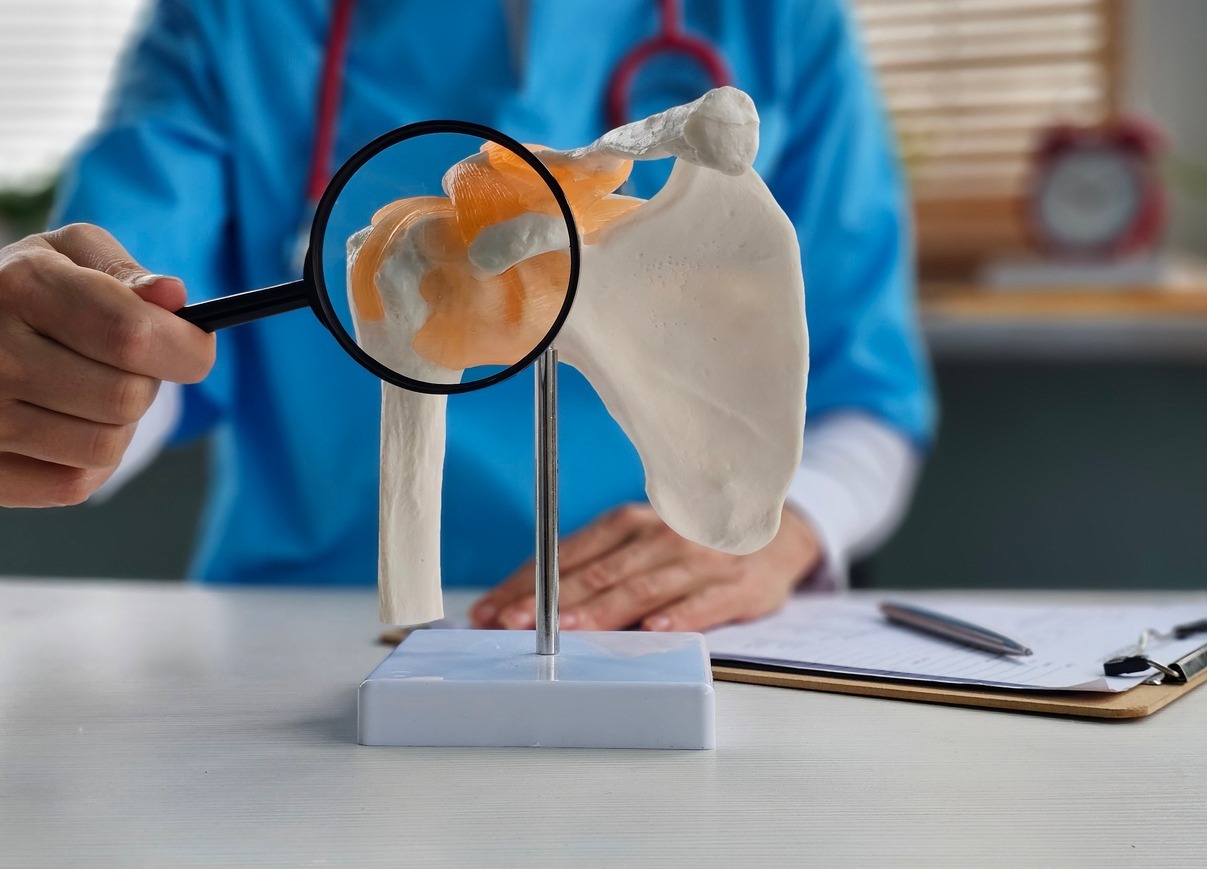
The labrum is a ring of cartilage that surrounds the shoulder socket. It helps deepen the socket, providing stability while allowing the shoulder to move through an extensive range of motion.
Labral tears can occur after a traumatic injury, such as a fall or shoulder dislocation, or develop gradually from repetitive overhead activities. Athletes who participate in baseball, tennis, swimming, volleyball, and weightlifting are particularly susceptible, although anyone can experience this injury.
At Orthopaedic & Sports Medicine Center, Dr. Limpisvasti evaluates labral tears alongside other shoulder conditions, rotator cuff injuries, fractures, arthritis, and sports-related musculoskeletal injuries affecting the knee, hip, elbow, hand, wrist, foot, and ankle.
Common Symptoms of a Shoulder Labral Tear
The symptoms of a labral tear can vary depending on the location and severity of the injury. Some patients experience persistent discomfort, while others notice instability or weakness during activity.
Common signs include:
- Deep shoulder pain during movement
- Clicking, catching, or popping sensations
- A feeling that the shoulder is loose or unstable
- Pain when reaching overhead or behind the back
- Reduced shoulder strength
- Limited range of motion
- Difficulty participating in sports or lifting objects
If these symptoms continue despite rest or conservative treatment, an orthopedic evaluation in Los Angeles can help identify the underlying cause.
When Is Shoulder Labral Tear Surgery Recommended?
Not every labral tear requires surgery. Many patients improve with physical therapy, activity modification, anti-inflammatory medications, and carefully guided rehabilitation.
However, surgery may be recommended if:
- Shoulder instability continues despite conservative treatment
- The tear causes ongoing pain that affects daily activities
- Recurrent shoulder dislocations occur
- Athletic performance is significantly limited
- Imaging confirms a tear that is unlikely to heal without surgical intervention
At Orthopaedic & Sports Medicine Center, Dr. Orr Limpisvasti carefully evaluates each patient's symptoms, activity level, and goals before recommending the most appropriate treatment approach.
Why Experience Matters When Choosing a Labral Repair Surgeon
Labral repair techniques have changed considerably over time, from anchor design to suture configuration to how tears in different locations of the shoulder are approached. Two things separate an experienced labral repair surgeon from the rest: a long track record of actually performing the procedure, and ongoing, active involvement in teaching and refining new techniques as the surgery continues to evolve.
A surgeon who has spent two-plus decades performing labral repairs, and who has also trained other physicians and stayed engaged with advancing the field, brings a level of pattern recognition and technical judgment that is difficult to match. This combination of long-term hands-on experience and continued involvement in innovation gives patients access to techniques that are both well-proven and current.
How Is Shoulder Labral Tear Surgery Performed?
Most labral tears are repaired using minimally invasive arthroscopic surgery. During the procedure, the surgeon inserts a small camera and specialized instruments through tiny incisions to examine the shoulder joint and repair the damaged cartilage.
Depending on the type and location of the tear, the surgeon may reattach the labrum to the bone using small anchors designed to restore shoulder stability.
Because every injury is unique, the surgical plan is tailored to each patient's anatomy, lifestyle, and long-term goals. Dr. Orr Limpisvasti specializes in arthroscopic sports medicine procedures that aim to restore shoulder function while minimizing disruption to surrounding tissues, drawing on decades of experience with this specific repair alongside a continued focus on evolving surgical technique.
What Should You Expect During Recovery?
Recovery after shoulder labral tear surgery occurs gradually and requires patience. Immediately after surgery, the shoulder is typically protected in a sling while the repaired tissue begins to heal.
Physical therapy is introduced in stages, beginning with gentle range-of-motion exercises before progressing to strengthening and functional training. As healing continues, patients gradually resume work, recreational activities, and sports under the guidance of their orthopedic team.
Although recovery timelines vary, following rehabilitation recommendations is one of the most important factors in achieving a successful outcome.
What Results Can Patients Expect?
Many patients experience significant improvements in shoulder stability, pain, and overall function following labral repair and rehabilitation. Those who participate fully in physical therapy often regain strength and confidence while returning to their previous level of activity.
Outcomes like these are supported not just by the repair technique itself, but by the surgeon's depth of experience performing it and their familiarity with how the procedure has been refined over the years.
At Orthopaedic & Sports Medicine Center in Los Angeles, shoulder care is delivered as part of a comprehensive orthopedic program that also treats sports injuries, knee conditions, hip disorders, elbow injuries, hand and wrist problems, foot and ankle conditions, fractures, and arthritis. This collaborative approach helps ensure that every aspect of a patient's musculoskeletal health is considered throughout treatment.
Frequently Asked Questions
What does a shoulder labral tear feel like?
Many people experience deep shoulder pain, clicking or popping sensations, weakness, instability, or discomfort when lifting the arm or performing overhead activities.
Can a shoulder labral tear heal without surgery?
Some labral tears improve with physical therapy and activity modification. However, larger tears or those associated with shoulder instability may require surgical repair to restore normal function.
How long does recovery take after shoulder labral tear surgery?
Recovery varies depending on the severity of the tear and the individual's progress with rehabilitation. Many patients participate in several months of physical therapy before returning to unrestricted activities.
Is arthroscopic labral repair successful?
Arthroscopic labral repair has helped many patients improve shoulder stability, reduce pain, and return to sports or daily activities when combined with appropriate rehabilitation and follow-up care.
Why does a surgeon's experience level matter for labral repair?
Because labral repair techniques continue to evolve, a surgeon with many years of experience performing the procedure, and ongoing involvement in training and technique innovation, is often better positioned to apply the most appropriate, up-to-date approach for each patient's specific tear.
Who performs shoulder labral tear surgery in Los Angeles?
Sports medicine orthopedic specialists, including Dr. Orr Limpisvasti at Orthopaedic & Sports Medicine Center in Los Angeles, evaluate shoulder labral injuries and recommend personalized treatment plans based on each patient's condition and activity goals.
Take the First Step Toward Better Shoulder Health
A shoulder labral tear can limit your ability to stay active, but early evaluation and appropriate treatment can make a meaningful difference in your recovery. Whether your condition can be managed conservatively or requires surgery, an individualized care plan is essential. If you are experiencing persistent shoulder pain or instability, Dr. Orr Limpisvasti and the team at Orthopaedic & Sports Medicine Center in Los Angeles can help you understand your options and support your journey back to comfortable movement and activity.
Dr. Orr Limpisvasti is a board-certified orthopedic surgeon and sports medicine specialist at Orthopaedic & Sports Medicine Center in Los Angeles, with over two decades of experience. He specializes in the diagnosis and treatment of sports-related injuries, with particular expertise in knee, shoulder, and elbow conditions, including ACL tears, meniscus injuries, ligament reconstruction and repair, rotator cuff repair, shoulder labral repair, and arthroscopic surgery. His long-term, hands-on experience performing these procedures is complemented by an ongoing role in training other surgeons and advancing new surgical techniques as the field evolves, giving patients access to a full range of proven and emerging treatment options. Dr. Limpisvasti is dedicated to providing individualized, evidence-based care that helps athletes and active adults recover safely and return to the activities they enjoy.