
Persistent shoulder pain can make everyday movements, reaching overhead, lifting objects, sleeping comfortably, or playing sports, difficult. While some shoulder problems improve with rest and rehabilitation, ongoing pain or weakness may indicate a rotator cuff injury that requires specialized orthopedic evaluation.
For patients searching for the best rotator cuff surgeon in Orange County, it is important to look beyond a title and consider specialized shoulder experience, treatment options, surgical expertise, and rehabilitation planning.
What Is a Rotator Cuff Injury?
The rotator cuff consists of four muscles and their associated tendons that help stabilize the shoulder and allow the arm to move. A tear can develop gradually from overuse and age-related changes or occur suddenly following an injury.
Rotator cuff problems may affect people who regularly perform overhead activities, participate in sports, or place repetitive demands on their shoulders. Common causes include repetitive overhead use, sports activity, and traumatic events.
What Are the Signs of a Rotator Cuff Tear?
Shoulder pain can have many causes, so persistent symptoms deserve a proper evaluation rather than assuming that every painful shoulder has the same problem.
Possible symptoms of a rotator cuff tear include:
- Shoulder pain, particularly with certain movements
- Weakness when lifting or moving the arm
- Reduced range of motion
- Shoulder stiffness
- Tenderness
- A crackling or grinding sensation during movement
- Difficulty performing overhead activities
Pain and weakness are common. Some patients also have stiffness and loss of movement.
How Is a Rotator Cuff Tear Diagnosed?
An accurate diagnosis is essential because shoulder pain can result from several different conditions, including a shoulder labrum tear. The evaluation generally begins with a review of symptoms, injury history, activity level, and a physical examination.
Imaging may then be used when appropriate. X-rays may be part of the evaluation, while MRI can provide a detailed view of a rotator cuff tear.
A complete assessment can also help identify whether other shoulder structures are involved and whether treatment should focus on rehabilitation, injections, surgery, or another approach.
When Can Rotator Cuff Pain Be Treated Without Surgery?
Surgery is not automatically required for every rotator cuff problem. Depending on the severity of the injury and the patient's symptoms, conservative care may be considered first.
Non-surgical treatment can include:
- Rest and activity modification
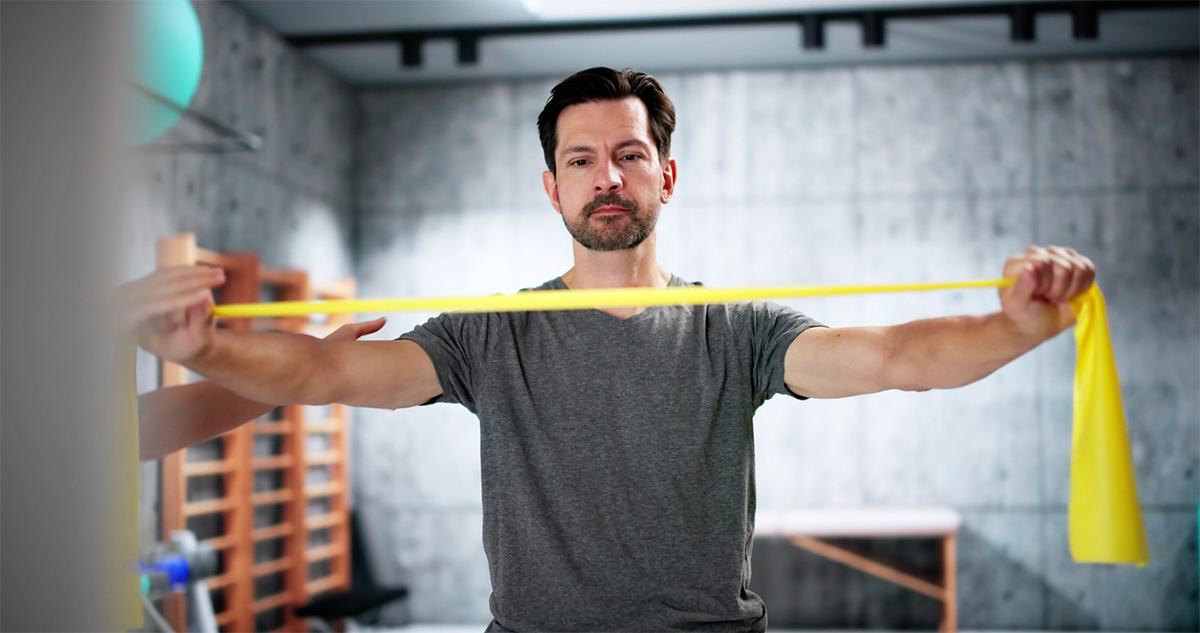
- Physical therapy
- Targeted shoulder exercises
- Pain-relieving medication
- A shoulder sling when appropriate
- Cortisone injection in selected cases
Conservative treatment can be appropriate for some rotator cuff tears and other shoulder problems, with treatment selected according to the individual condition. PRP therapy for the shoulder is also available as another non-surgical option in selected cases.
The objective is to reduce symptoms while improving shoulder function and strength without unnecessarily proceeding to surgery.
When Is Rotator Cuff Surgery Considered?
Surgery may become an option when a tear causes significant symptoms, conservative treatment has not provided adequate improvement, or the injury requires structural repair.
Rotator cuff repair can be performed using arthroscopic or open techniques. During arthroscopic repair, small incisions are used to introduce a camera and specialized instruments into the shoulder. Suture anchors can then be used to attach the torn tendon back to the bone.
The decision to operate depends on factors such as the tear's characteristics, symptoms, functional limitations, overall health, and treatment goals.
Why Arthroscopic Rotator Cuff Repair May Be an Option
Shoulder arthroscopy is a minimally invasive technique that uses a small camera and specialized instruments inserted through small incisions. It allows the surgeon to examine the joint and address certain structural problems without the larger incision associated with traditional open surgery.
For appropriate rotator cuff tears, arthroscopy can allow the surgeon to repair damaged tendon tissue and address other problems identified during the procedure.
The specific technique depends on the size and location of the tear and the condition of the surrounding shoulder structures.
What Is Biologic Augmentation for Rotator Cuff Repair?
Some large or complex rotator cuff tears may require additional strategies to support the repair. Biologic augmentation, including a biologic tissue graft at the repair site, can be used for some large or complex tears. This approach uses a biological scaffold intended to strengthen the repair and support healing. Patch augmentation using processed dermal allograft is also available for selected large and massive rotator cuff tears. These techniques are not appropriate for every patient. An orthopedic shoulder specialist must determine whether augmentation is suitable based on the tear and individual circumstances.
How Does Treatment Differ for Athletes?
Athletes and active adults may place higher demands on the shoulder than people performing routine daily activities. Throwing, swimming, weight training, racquet sports, and other overhead activities can require substantial shoulder strength and coordination.
Treatment therefore needs to consider both healing and the patient's functional goals. Shoulder conditions in athletes and active individuals, including throwing-related injuries, are treated as part of his sports medicine care. Patients dealing with a related knee injury may also find the article on finding the right ACL surgeon in Orange County useful, since the same individualized, sport-specific approach applies across joints.
A return-to-sport plan may gradually progress from basic mobility and strengthening to activity-specific movements once healing allows.
What Should You Expect During Rotator Cuff Recovery?
Recovery after rotator cuff repair is a process rather than a single event. Protecting the repair during the early healing period is important, followed by carefully progressed rehabilitation.
Postoperative care may involve:
- Wearing a shoulder brace or sling
- Managing postoperative discomfort
- Protecting the repaired tendon
- Beginning prescribed range-of-motion exercises
- Progressing to strengthening
- Attending follow-up appointments
- Gradually returning to normal activities
Physical therapy is part of recovery. Patients may return to normal activities after approximately six months, although individual recovery varies.
Patients should follow their own surgeon's rehabilitation plan rather than comparing their recovery timeline with another person's.
When Should You See a Rotator Cuff Specialist?
Not every episode of shoulder soreness requires a specialist. However, persistent or worsening symptoms should be evaluated, particularly when they interfere with work, exercise, sleep, or everyday movement. Consider an evaluation if you have:
- Shoulder pain that continues despite rest
- Persistent weakness
- Difficulty raising your arm
- Pain during overhead activities
- Reduced shoulder movement
- Symptoms following a fall or sports injury
- Difficulty sleeping because of shoulder pain
- Loss of strength that affects work or exercise
An early evaluation can help identify the source of the problem and clarify whether conservative care or surgical treatment is appropriate.
Frequently Asked Questions About Rotator Cuff Surgery in Orange County
- Who is the best rotator cuff surgeon in Orange County?
There is no single surgeon who is the best choice for every patient. Relevant shoulder and sports medicine experience, treatment options, surgical expertise, and an individualized approach should all be considered.
- Does every rotator cuff tear require surgery?
No. Some tears and shoulder conditions can initially be managed with rest, activity modification, medication, injections, and physical therapy. The appropriate treatment depends on the specific injury and the patient's symptoms.
- What is arthroscopic rotator cuff repair?
Arthroscopic repair uses a small camera and specialized instruments inserted through small incisions to visualize and treat the shoulder. Suture anchors may be used to reattach a torn tendon to the bone.
- What is patch augmentation?
Patch augmentation uses processed dermal allograft as part of the repair of selected large or massive rotator cuff tears. This technique is available for appropriate patients.
- How long does rotator cuff surgery recovery take?
Recovery varies depending on the injury, surgical procedure, overall health, and rehabilitation progress. Normal activities may resume after approximately six months, but individual timelines can differ. Request an appointment online or contact the office to discuss your specific situation.
Dr. Orr Limpisvasti is a board-certified orthopedic surgeon and sports medicine specialist at Orthopaedic & Sports Medicine Center in Los Angeles, with over two decades of experience. He specializes in the diagnosis and treatment of sports-related injuries, with particular expertise in knee, shoulder, and elbow conditions, including ACL tears, meniscus injuries, ligament reconstruction and repair, and arthroscopic surgery. His long-term, hands-on experience performing these procedures is complemented by an ongoing role in training other surgeons and advancing new surgical techniques as the field evolves, giving patients access to a full range of proven and emerging treatment options. Dr. Limpisvasti is dedicated to providing individualized, evidence-based care that helps athletes and active adults recover safely and return to the activities they enjoy.