
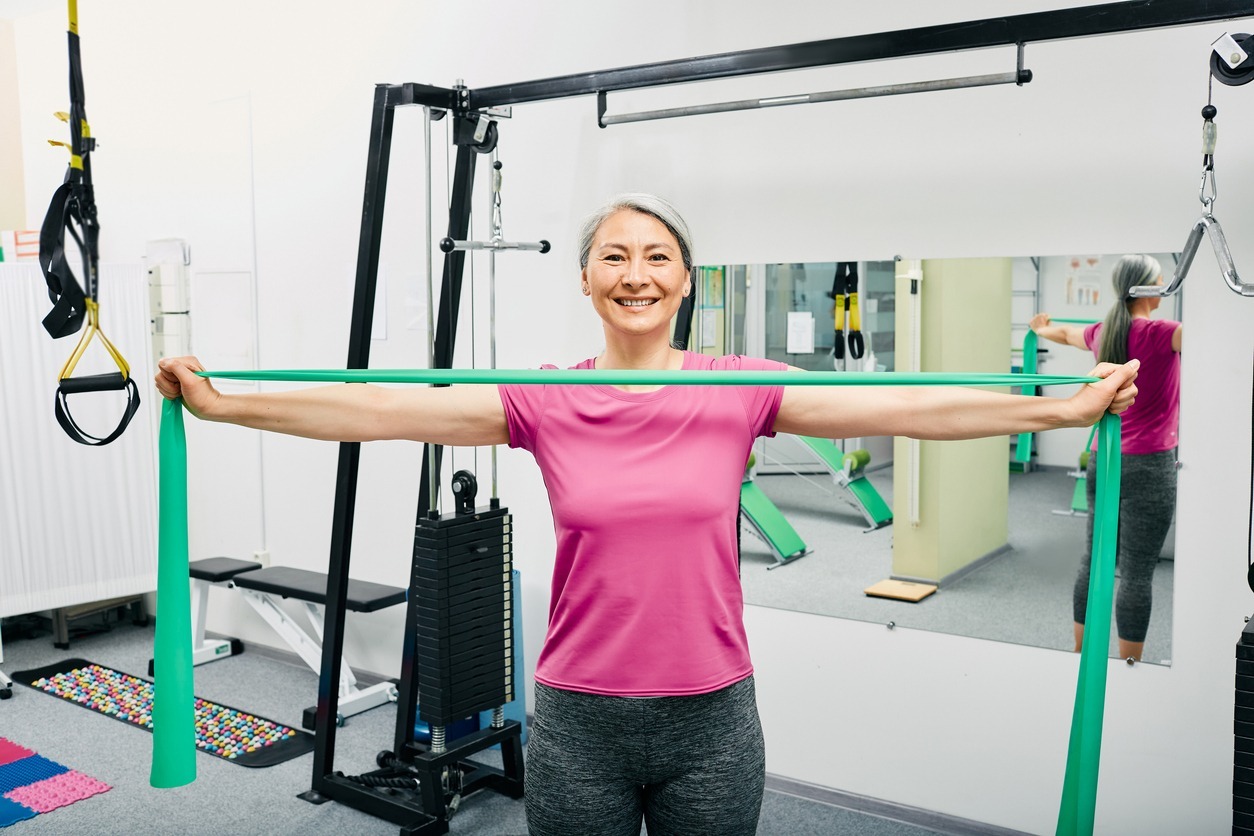
Shoulder pain can make even the simplest tasks feel challenging, from reaching into a cabinet to lifting weights or enjoying your favorite sport. While minor strains often improve with rest, persistent pain or weakness may indicate a more significant injury, such as a rotator cuff tear. Knowing when to seek specialized care can help prevent further damage and support a smoother recovery. Here is what you should know about finding expert shoulder care in Los Angeles.
What Is the Rotator Cuff and Why Is It So Important?
The rotator cuff is a group of four muscles and tendons that stabilize the shoulder joint and allow you to lift and rotate your arm. Because the shoulder has a wide range of motion, these structures are essential for maintaining strength, stability, and coordinated movement.
Rotator cuff injuries can develop suddenly after a fall or lifting injury, or they may occur gradually from repetitive overhead activities. Athletes, manual laborers, and active adults are particularly susceptible, although age-related tendon degeneration can also contribute to these injuries.
At Orthopaedic & Sports Medicine Center, Dr. Limpisvasti routinely diagnoses and treats rotator cuff injuries alongside other shoulder conditions, sports injuries, fractures, arthritis, and disorders affecting the knee, hip, elbow, hand, wrist, foot, and ankle.
Signs You May Need to See a Rotator Cuff Surgeon in Los Angeles
Not every shoulder injury requires surgery, but certain symptoms should prompt an evaluation by an orthopedic sports medicine specialist.
Common signs include:
- Persistent shoulder pain lasting several weeks
- Pain that worsens when lifting or reaching overhead
- Weakness when raising or rotating the arm
- Difficulty sleeping because of shoulder discomfort
- Clicking, catching, or grinding sensations
- Limited range of motion
- Shoulder pain following a fall or sports injury
If these symptoms interfere with work, exercise, or daily activities, seeking an evaluation in Los Angeles can help identify the underlying cause before the condition worsens.
What Qualities Should You Look for in a Rotator Cuff Surgeon?
Choosing the right orthopedic specialist involves more than finding someone who performs surgery. The best rotator cuff surgeon for your needs is one who carefully evaluates your condition and recommends the most appropriate treatment based on your symptoms and lifestyle.
Rotator cuff repair techniques have advanced substantially over the past two decades, from suture anchor design to biologic augmentation to minimally-invasive implant options. Two factors matter most when evaluating a surgeon's experience with this procedure: how long they have actually been performing rotator cuff repairs, and how actively involved they remain in teaching and advancing the field as new techniques emerge. A surgeon with years of hands-on repair experience, who is also involved in training other physicians and staying at the forefront of innovation, is positioned to offer patients options that a surgeon newer to practice, or one who hasn't kept pace with the field, may not have access to.
An experienced shoulder specialist typically offers:
- Comprehensive physical examinations
- Advanced diagnostic imaging when appropriate
- Expertise in both conservative and surgical treatment
- Arthroscopic shoulder surgery experience
- Personalized rehabilitation planning
- Guidance for returning to sports, work, and daily activities
- A long track record with the procedure, combined with ongoing involvement in training and technique innovation
At Orthopaedic & Sports Medicine Center, Dr. Orr Limpisvasti specializes in sports medicine and shoulder injuries, helping patients understand all available treatment options before deciding on the most appropriate course of care.
When Is Rotator Cuff Surgery Recommended?
Many patients improve with non-surgical treatment, including physical therapy, activity modification, anti-inflammatory medications, and injections when appropriate.
However, surgery may be recommended if:
- A full-thickness tendon tear is present
- Symptoms persist despite conservative treatment
- Significant weakness limits arm function
- An acute traumatic tear occurs
- Patients wish to return to demanding athletic or occupational activities
During an evaluation, Dr. Orr Limpisvasti considers factors such as the size of the tear, tendon quality, activity level, and personal goals before recommending surgery.
What Happens During Rotator Cuff Repair?
Modern rotator cuff repair is commonly performed using minimally invasive arthroscopic techniques. Through small incisions, specialized instruments and a tiny camera allow the surgeon to visualize and repair the damaged tendon while minimizing disruption to surrounding tissues.
For certain tears, particularly larger or more complex tears, or in patients with lower-quality tendon tissue, biologic augmentation can be used to help support the repair and improve the potential for healing. This involves reinforcing the repair site with a biologic scaffold or graft material designed to strengthen the construct and encourage the body's own healing response.
Advances in minimally-invasive implants have also expanded what is possible during repair, allowing for stronger fixation with less disruption to the surrounding bone and soft tissue. Dr. Limpisvasti stays current with these evolving options and incorporates them selectively, based on tear pattern, tissue quality, and each patient's activity goals.
Every shoulder injury is unique, so the surgical approach is tailored to each patient's anatomy and specific injury. The objective is to restore shoulder stability, reduce pain, and improve long-term function.
Patients in Los Angeles benefit from individualized treatment plans that combine advanced surgical techniques with comprehensive rehabilitation.
Recovery Is a Key Part of Successful Shoulder Treatment
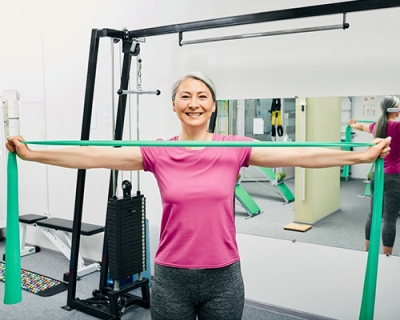
Healing after rotator cuff repair requires patience and commitment. Recovery involves protecting the repaired tendon while gradually restoring motion, strength, and function through a structured rehabilitation program.
Physical therapy progresses in stages to allow proper healing before more demanding exercises are introduced. Returning to sports or physically demanding work too quickly may increase the risk of reinjury.
Orthopedic specialists closely monitor each stage of recovery, ensuring that patients regain shoulder function safely and confidently.
Why Comprehensive Orthopedic Care Matters
Shoulder pain is not always caused by the rotator cuff alone. Some patients have additional conditions such as labral tears, arthritis, shoulder instability, or tendon inflammation that require a broader evaluation.
At Orthopaedic & Sports Medicine Center, patients have access to comprehensive orthopedic care that addresses both sports injuries and general musculoskeletal conditions. This multidisciplinary approach helps ensure accurate diagnosis and coordinated treatment from the initial consultation through rehabilitation.
Frequently Asked Questions
How do I know if I have a rotator cuff tear?
Common symptoms include shoulder pain, weakness when lifting the arm, difficulty reaching overhead, pain at night, and reduced range of motion. An orthopedic evaluation and imaging studies can help confirm the diagnosis.
Can a rotator cuff tear heal without surgery?
Some partial tears and chronic shoulder conditions respond well to physical therapy and other conservative treatments. Larger or complete tears may require surgical repair depending on symptoms and activity level.
What newer treatment options exist for rotator cuff tears?
For certain patients, biologic augmentation and minimally-invasive implant technology can be incorporated into a repair to help support healing and fixation strength. A surgeon experienced with these evolving techniques, in addition to standard repair, can help determine whether they are appropriate for a given tear.
How long does recovery take after rotator cuff surgery?
Recovery varies depending on the size of the tear and the individual patient. Most people participate in several months of rehabilitation, with progress based on healing and functional improvement rather than a fixed timeline.
When should I see a shoulder specialist?
You should seek evaluation if shoulder pain persists for several weeks, limits daily activities, causes weakness, or follows a traumatic injury. Early diagnosis may improve treatment options and outcomes.
Who treats sports-related shoulder injuries in Los Angeles?
Sports medicine orthopedic specialists, including Dr. Orr Limpisvasti at Orthopaedic & Sports Medicine Center in Los Angeles, diagnose and treat rotator cuff tears, shoulder instability, tendon injuries, and other conditions affecting active individuals.
Restore Shoulder Function with Expert Care
Persistent shoulder pain should not be ignored, especially when it affects your ability to work, exercise, or enjoy everyday activities. With an accurate diagnosis, personalized treatment plan, and dedicated rehabilitation, many patients achieve meaningful improvements in shoulder strength and function. If you are experiencing ongoing shoulder pain, Dr. Orr Limpisvasti and the team at Orthopaedic & Sports Medicine Center in Los Angeles can help you understand your treatment options and guide you toward a safe recovery.
Dr. Orr Limpisvasti is a board-certified orthopedic surgeon and sports medicine specialist at Orthopaedic & Sports Medicine Center in Los Angeles, with over two decades of experience. He specializes in the diagnosis and treatment of sports-related injuries, with particular expertise in knee, shoulder, and elbow conditions, including ACL tears, meniscus injuries, ligament reconstruction and repair, rotator cuff repair, and arthroscopic surgery. His long-term, hands-on experience performing these procedures is complemented by an ongoing role in training other surgeons and advancing new surgical techniques as the field evolves — giving patients access to a full range of proven and emerging treatment options. Dr. Limpisvasti is dedicated to providing individualized, evidence-based care that helps athletes and active adults recover safely and return to the activities they enjoy.