
How Do You Choose the Best Meniscus Surgeon in Los Angeles?
A meniscus tear can turn a simple movement into a painful reminder that something inside the knee is wrong. Twisting, swelling, catching, or locking may make sports and everyday activities difficult, but not every tear requires surgery. The right treatment depends on the tear's location, pattern, symptoms, age, and activity goals. Understanding when repair, partial removal, or other treatment makes sense can help you make an informed decision about your knee care.
What Is a Meniscus Tear?
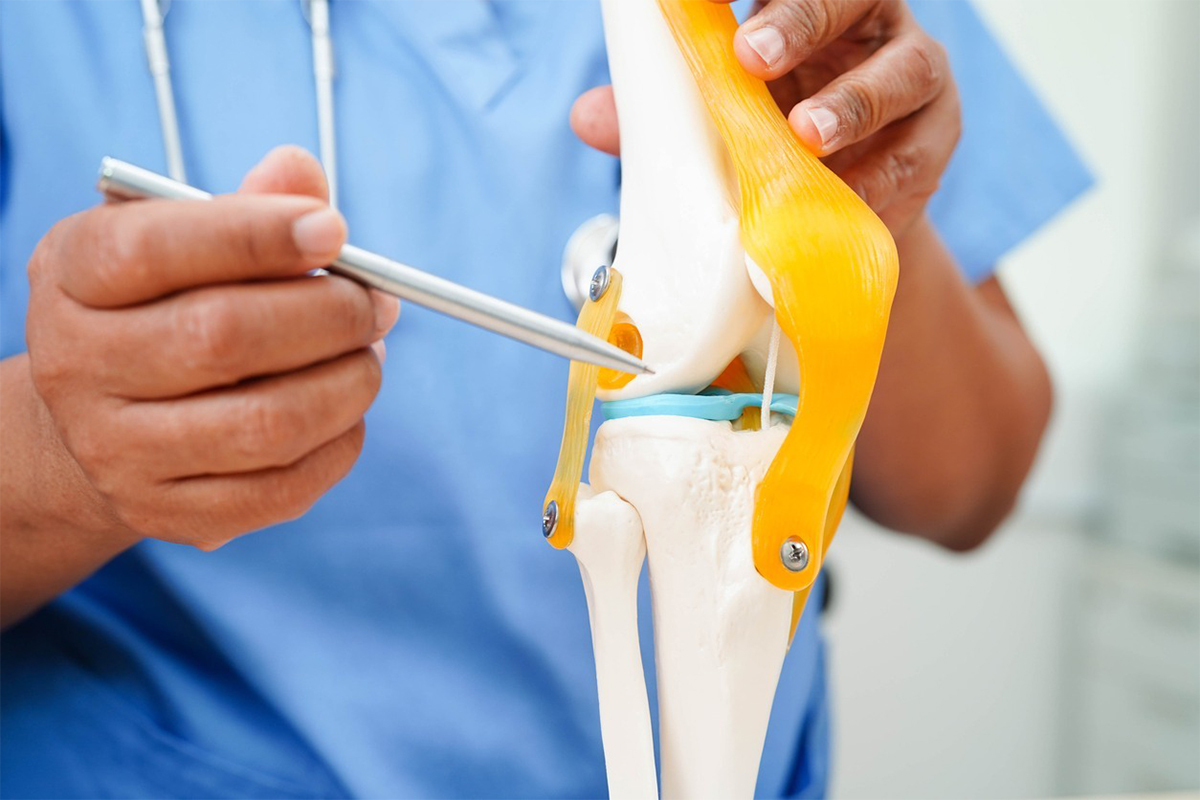
The menisci are two wedge-shaped pieces of cartilage between the thighbone and shinbone. They help absorb shock, distribute loads, and contribute to knee stability. A tear can occur after a sudden twisting injury, particularly during sports, or gradually develop as the meniscus becomes less resilient with age.
Common symptoms include knee pain, swelling, stiffness, catching, locking, and difficulty moving the knee through its full range. However, symptoms alone cannot determine whether surgery is necessary. An orthopedic sports medicine specialist evaluates the history, physical examination, activity level, and imaging when appropriate.
Meniscus Repair vs. Meniscus Removal: What Is the Difference?
When surgery is necessary, the goal is generally to preserve as much healthy meniscal tissue as reasonably possible.
Meniscus repair involves stitching or otherwise stabilizing the torn tissue so it can heal. Repair may be appropriate when the tear has characteristics that allow healing, including a favorable location and pattern. Preserving the meniscus can help maintain its important shock-absorbing and load-distributing functions.
Partial meniscectomy, sometimes called meniscus removal, involves trimming away damaged tissue that cannot be effectively repaired. The surgeon removes the unstable portion while preserving as much healthy meniscus as possible. The choice depends on the tear's type, size, location, tissue quality, symptoms, age, and activity demands.
When Can a Meniscus Tear Heal Without Surgery?
Not every meniscus tear requires an operation. Small or stable tears, particularly those without significant mechanical symptoms, may sometimes be managed with activity modification, physical therapy, medication when appropriate, and observation.
The outer portion of the meniscus has a better blood supply than the inner region, which can influence healing potential. A clinician may therefore consider the tear's location as well as its appearance and symptoms when determining whether conservative care is reasonable.
If pain, swelling, catching, or functional limitations persist despite appropriate nonsurgical treatment, surgical evaluation may become appropriate.
What Happens During Arthroscopic Meniscus Surgery?
Meniscus procedures are commonly performed using knee arthroscopy, a minimally invasive technique. A small camera called an arthroscope is inserted through a small incision, allowing the surgeon to examine the structures inside the knee on a monitor. Additional small incisions allow specialized instruments to repair or remove damaged tissue.
Depending on what is found, the surgeon may perform meniscal repair, partial meniscectomy, or address another problem identified during the procedure. This is particularly important because knee symptoms can sometimes involve more than one structure.
Why Sports Medicine Expertise Matters for Athletes
For athletes, treating a meniscus tear is not simply about reducing pain. Treatment should consider knee stability, strength, movement patterns, sport-specific demands, and the desired level of activity.
Those factors change the plan. A cutting-sport athlete and a recreational runner can have a similar tear on MRI and still need different care. Repair may protect the meniscus long term, but it usually means a slower return. Partial meniscectomy can get someone moving sooner, at the cost of tissue that helps the knee handle load. A sports medicine evaluation is how those tradeoffs get matched to the sport, not to a generic calendar.
A return-to-sport plan should be individualized rather than based solely on a predetermined timeline. Strength, swelling, range of motion, and sport-specific testing matter as much as the number of weeks since surgery.
Dr. Limpisvasti is a double board-certified orthopedic surgeon and sports medicine specialist with extensive experience treating athletes and sports-related injuries. He treats meniscus tears with knee arthroscopy and meniscal surgery, and he addresses associated injuries, including ACL reconstruction, when more than one structure is involved.
Can a Meniscus Be Replaced?
Meniscal replacement or transplantation may be considered in selected patients who have lost substantial meniscal tissue and continue to experience symptoms. Meniscus transplantation can be an option after meniscectomy for selected patients.
This is not appropriate for every patient. Age, knee alignment, cartilage condition, stability, symptoms, and previous surgery all influence candidacy.
Frequently Asked Questions About Meniscus Surgery
Is meniscus repair better than meniscus removal?
When a tear can reliably be repaired, preserving meniscal tissue is generally desirable because the meniscus contributes to shock absorption, load distribution, and stability. However, not every tear is repairable, so the appropriate treatment depends on individual circumstances.
How do I know if my meniscus tear needs surgery?
Surgery may be considered when symptoms persist despite appropriate nonsurgical treatment or when a tear causes significant mechanical symptoms such as catching or locking. The decision requires an evaluation of the tear, symptoms, examination findings, and activity goals.
How long does it take to recover from meniscus surgery?
Recovery varies substantially. Rehabilitation after a meniscus repair can take longer than recovery after a partial meniscectomy because the repaired tissue needs time to heal. Your surgeon will provide activity and rehabilitation guidelines based on the specific procedure.
Can I play sports after meniscus surgery?
Many patients can return to sports after appropriate treatment and rehabilitation, but the timeline varies by the type of tear, procedure, sport, and individual healing. Strength, range of motion, stability, and functional testing may all be considered before returning to full activity.
What is the best treatment for a torn meniscus in Los Angeles?
There is no single best treatment for every meniscus tear. An orthopedic sports medicine specialist can determine whether observation, rehabilitation, meniscus repair, partial meniscectomy, or another approach is most appropriate based on the individual knee problem. Dr. Limpisvasti offers both nonoperative and operative treatment for meniscal injuries.
Finding the Right Meniscus Care
A meniscus tear deserves an individualized assessment, particularly when you want to remain active or return to sports. If persistent knee pain, swelling, catching, or locking is affecting your activities, an evaluation with an experienced orthopedic sports medicine specialist can clarify your treatment options and help you understand whether meniscus preservation or another approach is appropriate.
Dr. Orr Limpisvasti is a board-certified orthopedic surgeon and sports medicine specialist at Orthopaedic & Sports Medicine Center in Los Angeles, with over two decades of experience. He specializes in the diagnosis and treatment of sports-related injuries, with particular expertise in knee, shoulder, and elbow conditions, including ACL tears, meniscus injuries, ligament reconstruction and repair, and arthroscopic surgery. His long-term, hands-on experience performing these procedures is complemented by an ongoing role in training other surgeons and advancing new surgical techniques as the field evolves, giving patients access to a full range of proven and emerging treatment options. Dr. Limpisvasti is dedicated to providing individualized, evidence-based care that helps athletes and active adults recover safely and return to the activities they enjoy.